How much does an electrical installation cost: what actually drives the price
A detailed guide to what really determines the cost of wiring an apartment or house in Sofia: scope, number of points, new build vs. rewiring, materials, safety and timelines. No misleading figures.
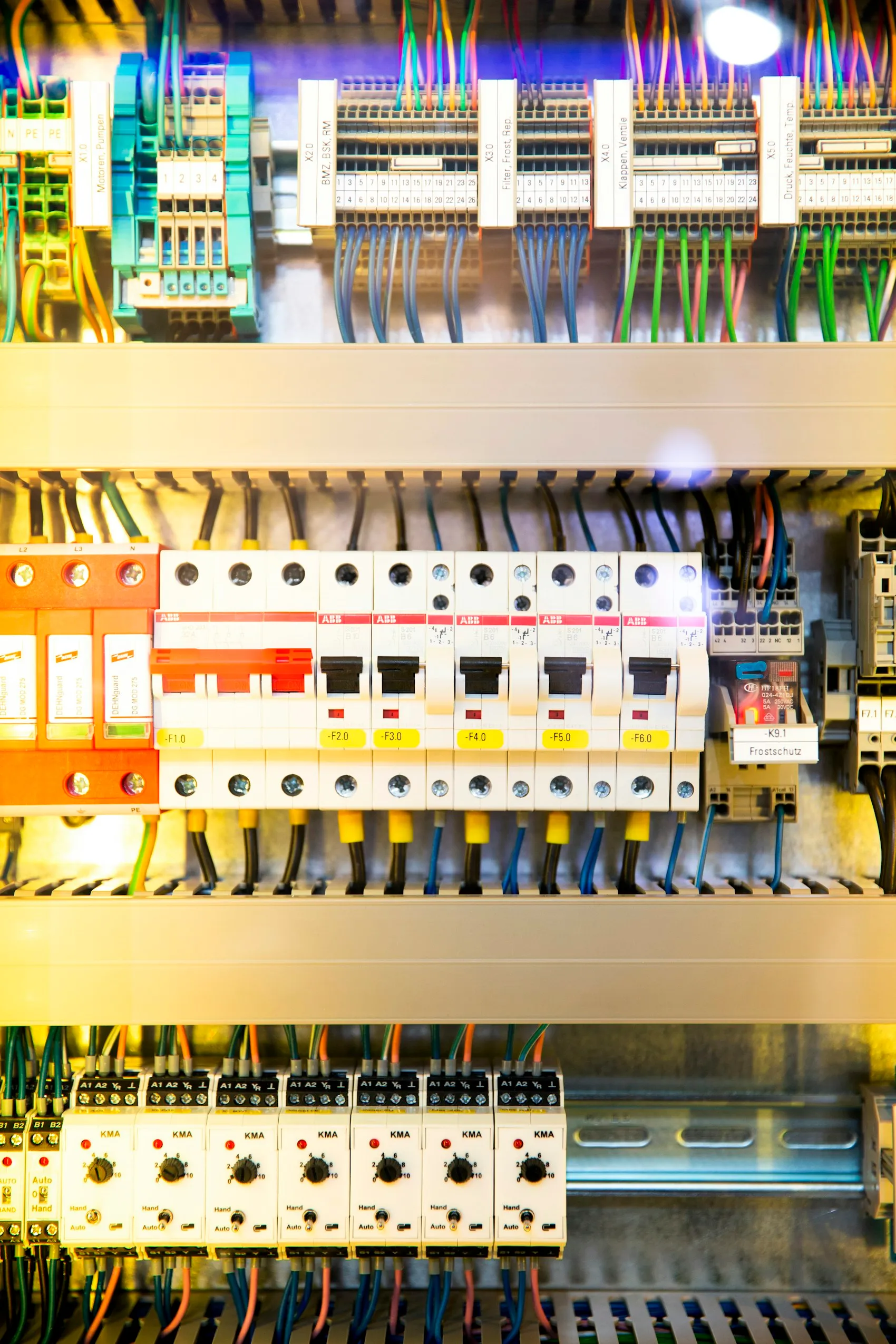
One of the first questions every client asks is “how much will it cost”. The honest answer is that the price of an electrical installation is almost never the same for two different sites, even when the floor area matches exactly. The total is built from dozens of small decisions: how many points there will be, what condition the walls are in, what kind of distribution board is required, and which components you choose. That’s why a serious contractor gives an accurate quote after a site visit, not a number over the phone. Below we explain in detail which factors carry the most weight, so you understand the logic behind the price and can plan a realistic budget.
Scope matters more than floor area
Many people assume the price is simply calculated per square meter. In practice the main driver is the scope of the work, in other words how many electrical points there are and how much labor it takes to reach them.
Number of points and outlets
Every socket, switch, light fitting, or outlet for an air-conditioner, boiler or cooker is a separate point, and each one carries its own cable, its own route and its own installation time. A spacious room with few points can end up cheaper than a small but densely equipped room like a kitchen, where a lot of high-power appliances are packed into a tight space. So when you’re planning, think not in square meters but in terms of how you’ll actually live there: where the TV will sit, how many sockets you want by the bed, whether the kitchen will have an island with its own supply.
Concealed or surface-mounted wiring
Concealed wiring, where cables are set into chases cut in brick or concrete, looks the best, but it requires chasing, channel-cutting, plastering and surface repair. Surface-mounted wiring in cable trunking or conduit is faster and cheaper, but visually it isn’t right for every interior. The choice between the two approaches noticeably changes the labor involved and the final price.
New build versus rewiring an existing installation
This is one of the biggest differences in price.
In new construction, routes are laid freely before there’s any plaster or paint, the work is predictable and moves quickly. Rewiring an existing installation is more complex. Old conductors have to be removed, new chases cut into finished walls, and there are often surprises behind the plaster that no one can see in advance. Old aluminum wiring, non-standard connections or missing earthing often mean that a patch isn’t a real solution and a more thorough intervention is needed.
Signs that an installation most likely needs replacing rather than repair:
- The conductors are aluminum rather than copper.
- Breakers trip frequently, or the distribution board runs hot.
- There’s no residual-current protection and no real earthing at the sockets.
- There are too few sockets and extension leads are permanently in use.
- The installation is decades old and hasn’t been touched since.
Safety and compliance with standards
An electrical installation is not the place to cut corners, because mistakes here aren’t visible until they become dangerous. In Bulgaria, installations follow the BDS EN 60364 series of standards, as well as Ordinance No. 3 on the design of electrical installations. That’s not bureaucracy, it’s the minimum that protects your home from fire and electric shock.
A few elements a correct installation must always include:
- Real earthing. The yellow-green protective conductor connects the metal parts of appliances to the earthing system. Without it, many protective devices simply don’t work.
- Residual-current protection. It cuts the power within a fraction of a second on contact or a fault, but it only functions correctly when there’s a proper third, earthing conductor. That’s why rewiring an old two-wire installation almost always requires new cable runs.
- Equipotential bonding. The earthing bar in the distribution board is connected to the water supply, heating and lightning protection, so there’s no dangerous voltage difference between metal parts in the home.
When you’re comparing quotes, don’t just look at the total. A lower price achieved by skipping these elements is actually more expensive, because you’re paying with risk. You can see our full approach in the Electrical installations service.
Materials and equipment
The quality of the materials used affects the price directly, but it also affects your peace of mind for years to come.
- Cables. Copper conductors with the correctly sized cross-section are the standard for reliability. The cross-section is chosen based on the load, not by eye, since an undersized cross-section is a hidden overheating risk.
- Distribution board and protective devices. Circuit breakers and residual-current devices are the heart of the installation. Quality equipment from an established manufacturer costs more but responds reliably and lasts for years.
- Sockets and switches. This is the visible part you touch every day. The price gap between basic and premium ranges can be significant here, and the choice is entirely yours.
- Low-voltage systems. If you’re planning structured cabling for internet, TV, video intercom or a smart home, that adds cables and points, but it’s far cheaper to plan for now than to add it after the renovation is finished.
Access, complexity and timelines
Finally, the price is also affected by the conditions on site itself. High ceilings, hard-to-reach spots, concrete walls that are difficult to chase, or specific requirements for a designer interior all push up labor costs. A very tight deadline that forces more people to work at once also has an effect. Conversely, a well-organized site where the team can work without interruption keeps costs under control.
Why we don’t publish a fixed price list
A fixed per-square-meter price list sounds convenient, but it’s misleading. Two apartments of the same size can require a completely different volume of work depending on the number of points, the condition of the walls and the materials chosen. A figure quoted without a site visit almost always ends up out of step with reality, leading either to disappointment or hidden extra costs mid-renovation.
The more honest approach is to survey the site, hear how you’ll be using it, and give a clear quote tailored to your specific case. That way you know exactly what you’re paying for and what you’re getting.
How to get an accurate quote
- Contact us and briefly describe the site: new build or rewiring, approximate floor area, and what you’re planning.
- We carry out a free on-site survey and discuss your needs.
- You receive a transparent quote with a clear scope, materials and timeline, with no hidden items.
Planning a new electrical installation or a rewire and want a realistic assessment instead of a number pulled out of thin air? Take a look at our Electrical installations service or go straight ahead and request a free site visit. We’ll come, take a look, and give you an accurate, well-reasoned quote for your home.
Related service
Electrical installations