Alarm system or CCTV: which is right for your site
An alarm system detects, notifies and deters, while CCTV documents. We compare the two systems, the sensors, monitoring, and explain when it is worth combining them.
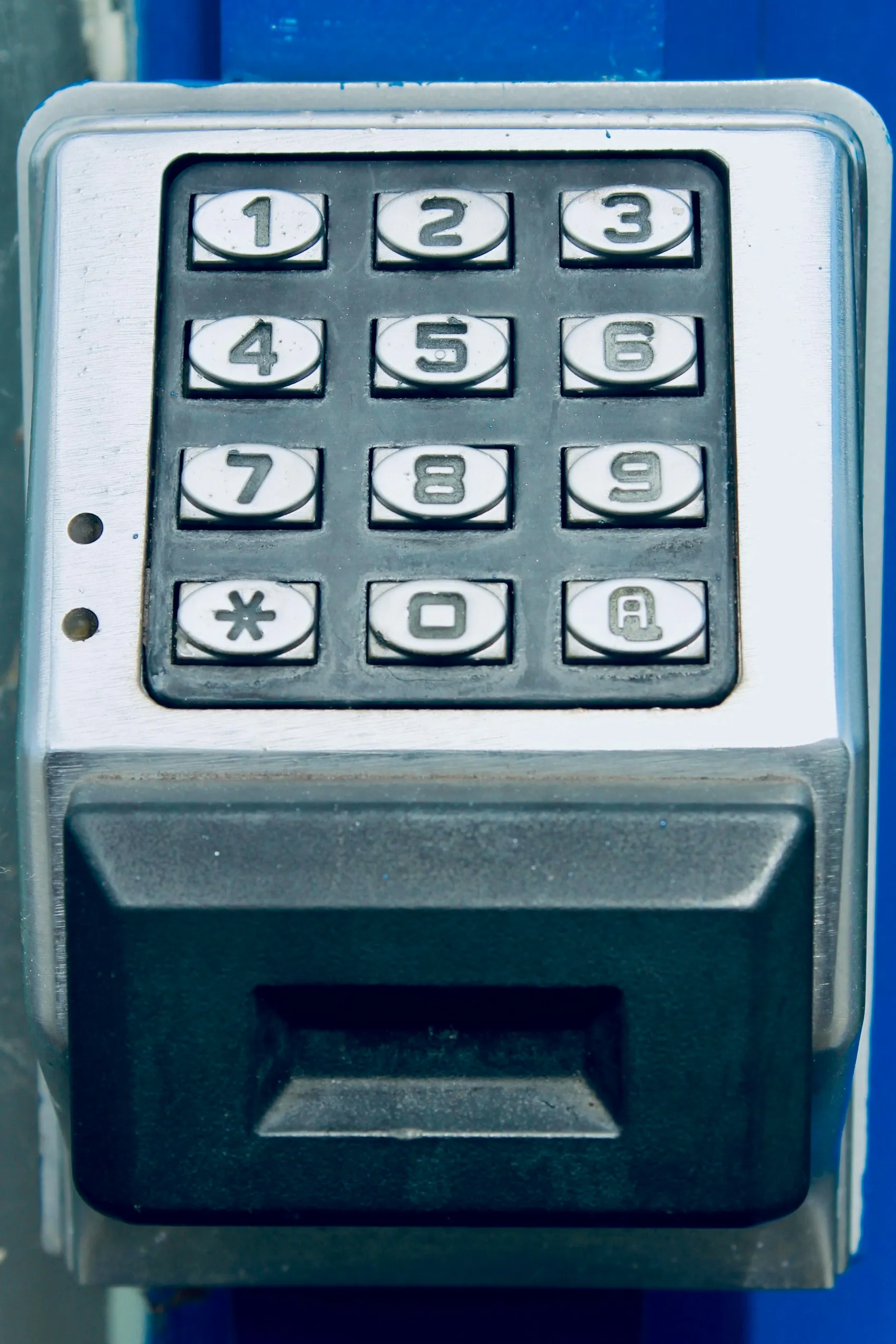
One of the most common questions we get during a site survey goes something like this: “Do I need an alarm system, CCTV, or both?” The short answer is that it depends on the goal you’re after. The longer answer is the point of this article, because the two systems solve different problems and in most cases complement rather than replace each other.
Below we look at exactly what each one does, what the main components are, when one is enough, and when combining them delivers real value. The goal is for you to make an informed decision, without unnecessary equipment and without gaps in protection.
What an alarm system is
An intrusion alarm system’s job is to detect unwanted presence and notify immediately. It works in real time: the moment a sensor registers an intrusion, the control panel triggers a response before serious damage is done.
The strength of an alarm system lies in two things. First, fast notification, which raises the alert to you, a trusted contact, or a monitoring center. Second, its deterrent effect: visible sensors, stickers and a siren often discourage an intruder before they even try to get in.
Main components of an alarm system
- Motion sensors (PIR). Passive infrared sensors detect the heat signature of a human body and respond to movement in the protected zone, including in complete darkness.
- Magnetic contact sensors. Fitted to doors and windows, they trigger when the leaf is opened.
- Glass-break sensors. They recognize the specific sound of breaking glass and are especially suited to shopfronts and large glazed areas.
- Control panel. The brain of the system. It processes signals from the sensors, manages zones and maintains a connection with the monitoring center.
- Siren and notification. Audible and visual alerts on site, plus notifications over a mobile channel or a direct line to a monitoring operator.
A well-designed alarm system reduces false alarms, because it combines different sensor types and zones the site so each area is armed according to how it’s actually used.
What CCTV is
Video surveillance has a different core function: it documents what happens, live and on record. A camera doesn’t raise an alert on its own in the classic sense, but it gives you eyes on the site and creates an archive that’s invaluable after an incident.
Recordings answer questions an alarm system can’t: who came in, at what time, what they did, which way they left. For a business, CCTV also has value beyond security, for example monitoring work processes, checking deliveries and tills, or a remote view of several sites from one place.
What CCTV delivers
- Evidence in the event of theft, vandalism, or a disputed situation.
- Live monitoring from a phone or computer, anytime, anywhere.
- Video analytics. Modern cameras detect motion, zone intrusion or line crossing and can send a notification on an event.
- Coverage of critical points such as entrances, storerooms, car parks and tills.
It’s worth knowing that motion detection via camera is affected by more factors than a PIR sensor. Shadows, car headlights, leaves and animals can all trigger notifications, so correctly setting up zones and sensitivity is key to a useful stream of alerts rather than an annoying one.
Alarm system vs CCTV: the core difference
If we had to sum it up in one sentence: an alarm system reacts, CCTV tells the story.
- An alarm system is for prevention and a fast response. It works at the moment of intrusion and aims to stop the damage.
- CCTV is for documentation and review. It works before, during and after the event and aims to clarify the picture.
The two look at security from different angles. One asks “is there someone here who shouldn’t be, right now”, while the other answers “what exactly happened, and who was it”. Because they answer different questions, it’s often a mistake to treat them as interchangeable.
When one system on its own is enough
Not every site needs both. Sometimes one well-chosen system does the job.
An alarm system alone makes sense when the priority is an immediate response to intrusion and you don’t need a visual archive. A typical example is a small office or home, where what matters most is that the alert reaches you or a security company quickly.
CCTV alone is a sensible choice when you want review and documentation, but don’t rely on active alerting. This suits sites with staff present most of the time, where the goal is more about process control and a visual record than protection against intrusion outside working hours.
When to combine the two systems
For most businesses, retail sites and larger properties, combining the two is the strongest solution. The reason is simple: each system covers the other’s weak point.
Video verification of alerts
The most valuable effect of integration is video verification. When an alarm sensor triggers, the linked camera automatically directs attention to that zone, and the monitoring operator can see live whether it’s a real intrusion attempt or a false alarm. This significantly cuts down on wasted responses and makes every alert far more useful.
Event-triggered recording
Integration lets recording be “bumped up” or flagged at the exact moment a sensor triggers. That way the archive makes it easy to find the moments that actually matter, without reviewing hours of footage.
A fuller picture and access control
Add access control and the picture becomes even more complete. The system can link every entry and exit through a controlled door with video footage, so you see not only that the door was opened, but who opened it. That’s especially valuable for storerooms, server rooms and restricted-access zones.
How to choose the right approach
There’s no universal answer. The right solution depends on several factors we assess together with you.
- Type and purpose of the site. A home, office, shop, warehouse and production facility each carry different risks and usage patterns.
- What you’re protecting. High-value stock, equipment, documents, or simply peace of mind when you’re away.
- Whether there’s staff on site, and on what schedule. This determines whether you need alerting mostly outside working hours, or monitoring during operating hours.
- Need for evidence. If you need an archive for an investigation or a disputed situation, CCTV is essential.
- Future expansion. It’s good if the system allows for upgrades later, for example adding access control down the line.
Our approach starts from the actual risks, not the equipment catalog. During the free site visit we walk the critical zones, note the weak points, and propose a solution that makes sense for your specific case, with no unnecessary components and no compromises where it matters.
Take a look at our Security systems and Video surveillance services to see what we offer. And if you’d like us to work out together what’s right for your site, request a free site visit and we’ll put together a specific proposal matched to your needs.
Related service
Alarm & security