Fiber vs copper network: when each technology is the right choice
When do you need fiber, and when does copper hold up? We compare distance, speed, resistance to interference, splicing and maintenance, so you can choose correctly for your office or building.
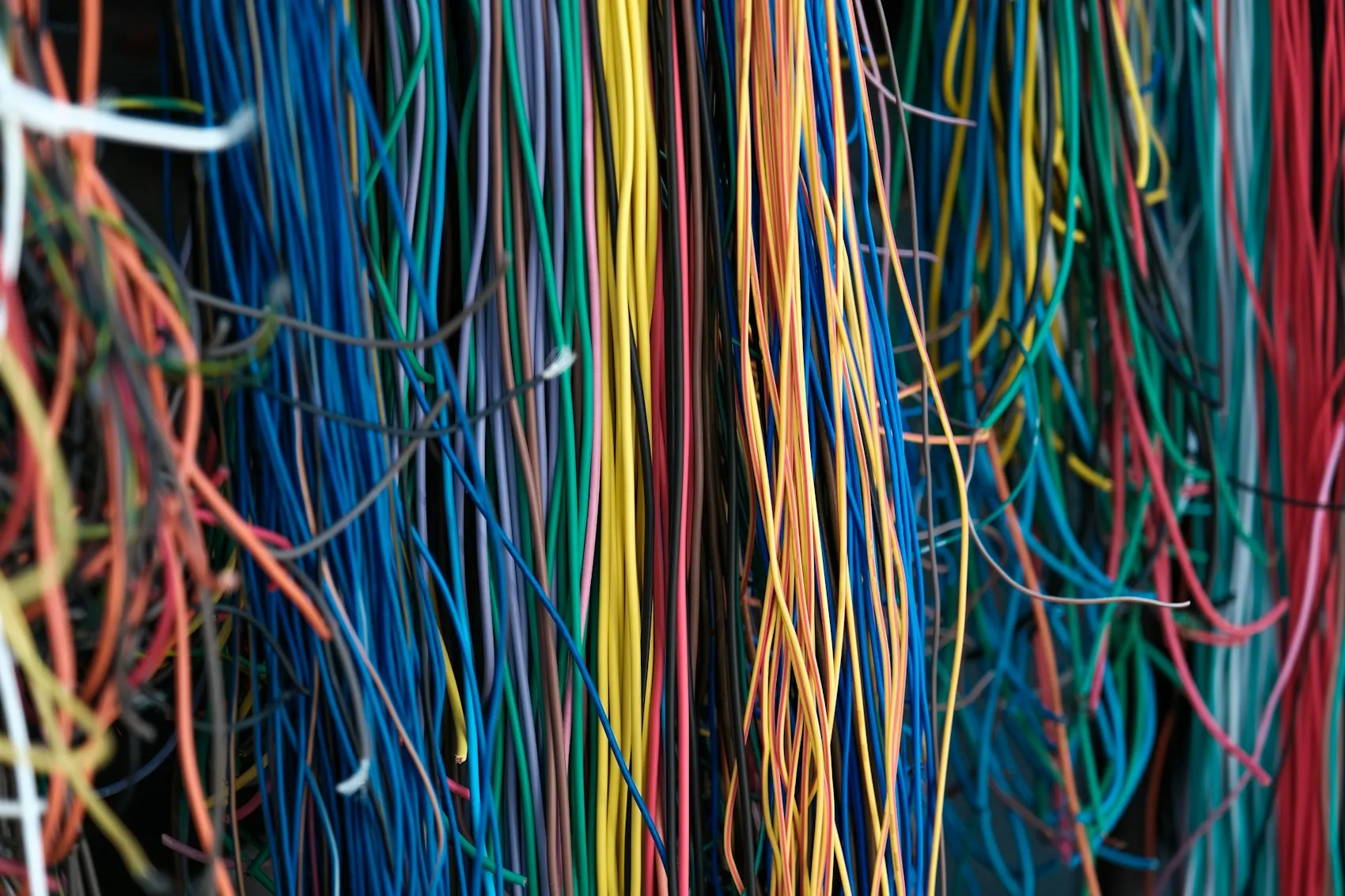
“Do we need fiber, or is copper enough?” is one of the most common questions when building a new network or expanding an existing one. The truth is there’s no universal answer. Both technologies have their own strong ground, and the most resilient solutions often combine them. What matters is that the choice is grounded in your actual needs: distances, speeds, the installation environment and your growth plan.
In this article we go through the differences in substance, without excess marketing, so you can make an informed decision for your site.
How the two technologies work
A copper network carries data as an electrical signal over twisted pairs of conductors. That’s the technology behind the familiar Cat6 and Cat6A Ethernet cables you see at most workplaces.
A fiber network carries data as pulses of light through thin strands of glass. Because the carrier is light rather than current, fiber behaves very differently over long runs and in environments with electromagnetic interference.
This basic difference explains almost every advantage and limitation that follows below.
Copper network (Cat6 and Cat6A)
Copper remains the backbone of most office networks at the work-area level, and that isn’t going to change any time soon.
Strengths:
- More affordable equipment and accessories, familiar to any technician.
- Fast, simple termination of connectors, with no specialized splicing equipment needed.
- Power over the cable (PoE) for cameras, access points and IP phones directly over the same line.
- More than enough performance for everyday office work.
Limitations to keep in mind:
- The length of a single run is limited. The classic limit for structured cabling is around a hundred meters of total line length.
- For 10 gigabits, Cat6 is only reliable over shortened distances, while Cat6A holds the high speed over the full standard length.
- Copper is more sensitive to electromagnetic interference, especially over long runs alongside power installations, motors or lift shafts.
For the vast majority of work areas these are acceptable trade-offs. When distances stay within a floor and the needs are standard, copper is almost always the sensible and economical choice.
Fiber network
Fiber shines exactly where copper starts to lose ground. It’s the technology for long runs, for links between buildings, and for a backbone that needs to last years without replacement.
Strengths:
- Long distances with no meaningful loss of quality, far beyond what copper can manage.
- Very high capacity, with headroom for the future: it’s often enough to swap the fiber modules at each end to raise the speed over the same strands.
- Full immunity to electromagnetic interference, because light isn’t affected by nearby power lines.
- Greater security on the line, since fiber doesn’t radiate a stray signal.
Limitations to keep in mind:
- Higher cost for the active equipment and transceivers.
- Requires professional splicing and testing with the right instruments.
- More care is needed during installation, because the strands don’t tolerate sharp bends.
Single-mode and multi-mode: which fiber for what
There are two main families of fiber, and the choice between them has real practical implications.
Multi-mode fiber (types like OM3 and OM4) is economical for shorter runs within a building, between floor cabinets and in server rooms. It delivers high capacity at an accessible price as long as distances stay in the range of hundreds of meters.
Single-mode fiber (type OS2) is the choice for long runs, links between buildings, high-risk vertical shafts, and anything you don’t want to replace after a few years. It carries the signal much further and is the standard for a serious backbone.
In practice most projects end up as a combination: single-mode for the long stretches and multi-mode where distances are short and the fiber budget needs to be tighter.
The hybrid approach: fiber backbone plus copper runs
For offices and multi-story buildings, it’s rarely an either-or dilemma. The best solutions sensibly combine both technologies.
The typical scheme looks like this:
- A fiber backbone connects buildings, floors and communications hubs. Here distances are longer, and the requirement for reliability and capacity is highest.
- Copper runs (Cat6A) reach from the floor cabinets to the individual work areas, cameras and access points. Here distances are short, and power over the cable is convenient.
That way you get the best of both worlds: a resilient, high-capacity backbone with room to grow, and economical, flexible runs to the end devices. This approach is the foundation of good structured cabling and makes future expansions predictable rather than painful.
How to choose: a quick guide
Boiled down to practical rules, the choice usually looks like this:
- Short distances and standard needs: copper (Cat6 or Cat6A) is the right, economical choice for work areas.
- High, sustained speeds over the full length: plan for Cat6A from the design stage, even if you’re not maxing out the network today.
- Long runs, links between floors and buildings: this is where fiber pays off, and is often the only technically correct solution.
- Environments with strong electromagnetic interference: fiber handles it comfortably where copper runs into trouble.
- A growing business with expansion plans: a combination of fiber backbone and copper runs, designed with headroom.
It’s important not to base the choice only on today’s traffic. Cabling infrastructure stays inside the walls for many years, while active equipment gets replaced multiple times over that period. That’s why it’s worth designing the backbone with an eye on the future.
Conclusion
Fiber and copper aren’t competitors, they’re tools for different jobs. Copper is practical and economical right up to the work area. Fiber is indispensable for long runs, large capacity and resistance to interference. Combined correctly, they give you a network that holds up in real-world use and leaves room to grow.
If you’d like a network designed specifically around your site and growth plans, take a look at our Fiber & local networks service. And when you’re ready for a concrete proposal, request a free site visit and we’ll work out together which solution fits you best.
Related service
Fiber & LAN networks